From concept curiosity to concrete cases: The power of event impact reports
- Frontpage
- About Bellagroup
- People
- Gemma Strutt

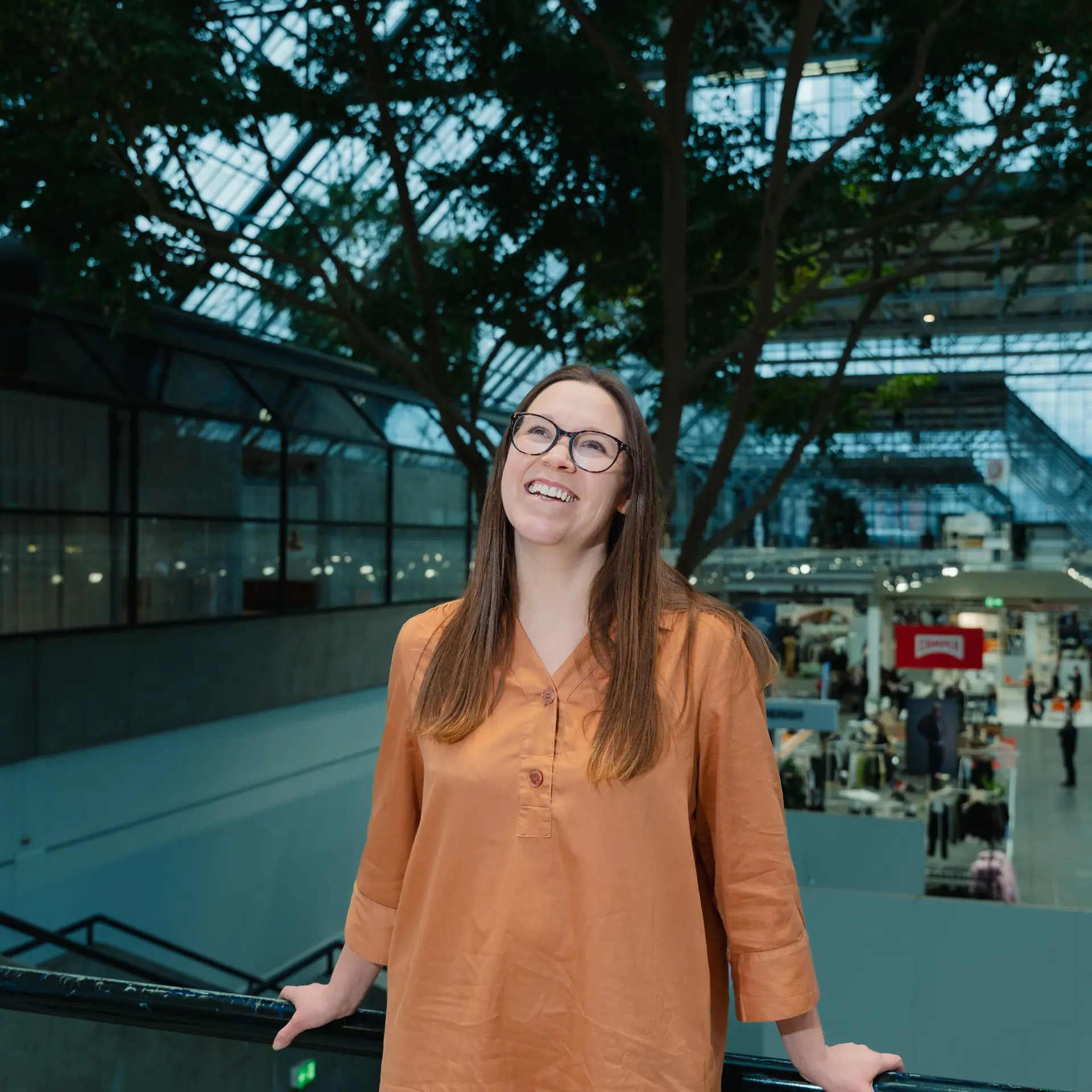
For years, sustainability in the event industry was something many talked about, but far fewer could actually measure. That gap between intention and insight has narrowed dramatically, says Gemma Strutt, Director of Congress & Large Events at Bella Center Copenhagen:
“In the past, many customers said they ‘wanted to be sustainable’ without really knowing what that meant. Now they come with concrete goals and requirements – and they expect data, not opinions.”
According to her, this marks one of the most defining changes in how events are planned today. It was exactly this shift that led Bella Center Copenhagen to develop the event impact report: A personalized, data driven footprint analysis offered to every large event held at the venue. The report has become the anchor of Bella Center Copenhagen’s sustainability work, giving organizers a clear picture of the areas that matter most.
“The first reaction we often hear,” Gemma says: “is just how eye opening it is. Suddenly organizers can see the impact of choices they never thought of as ‘sustainability decisions’.”

The report breaks down energy use, food and beverage selections, exhibition build, transport patterns and more, turning a complex system into something accessible and actionable:
“Our event impact report translates complex data into concrete choices. Clients can see exactly what drove their footprint up – and what brought it down,” Gemma explains.
"We’re only one piece of the puzzle, but when hotels, venues and city transport all pull in the same direction, it makes a noticeable difference for clients."
The benchmarking element, she adds, is often where the real conversations begin:
“When clients see where they fall compared to similar events, it becomes easier to prioritize and to understand where even small changes can shift the numbers.”

Internally, the insights from the reports are becoming increasingly valuable as well. Instead of relying on assumptions or industry averages, Bella Center Copenhagen now has a consistent stream of real event data across formats, seasons and audience types.
“It gives us a much clearer understanding of where we can support organizers better,” Gemma explains: “It keeps us honest and transparent.”
Beyond the venue itself, the report strengthens Copenhagen’s broader sustainability ecosystem. With hotels, transport partners and tourism organizations sharing a common ambition, organizers increasingly experience the city as a cohesive environment for responsible events.
“We’re only one piece of the puzzle, but when hotels, venues and city transport all pull in the same direction, it makes a noticeable difference for clients,” she says: “Many tell us they feel the sustainability effort throughout their entire stay.”

Yet despite progress, Gemma points out that a key industry challenge remains unresolved: comparability.
“In the past, many customers said they ‘wanted to be sustainable’ without really knowing what that meant. Now they come with concrete goals and requirements – and they expect data, not opinions.”
“Right now, you can’t easily compare data from one venue to another, because we all measure differently,” she says: “I dream of a shared industry standard. If everyone measured the same way, we could lift the whole industry together.”
Until that becomes reality, the event impact report continues to play a central role in turning sustainability from something conceptual into something concrete. Not by claiming perfection, but by giving a clearer foundation for making better decisions, one event at a time.
